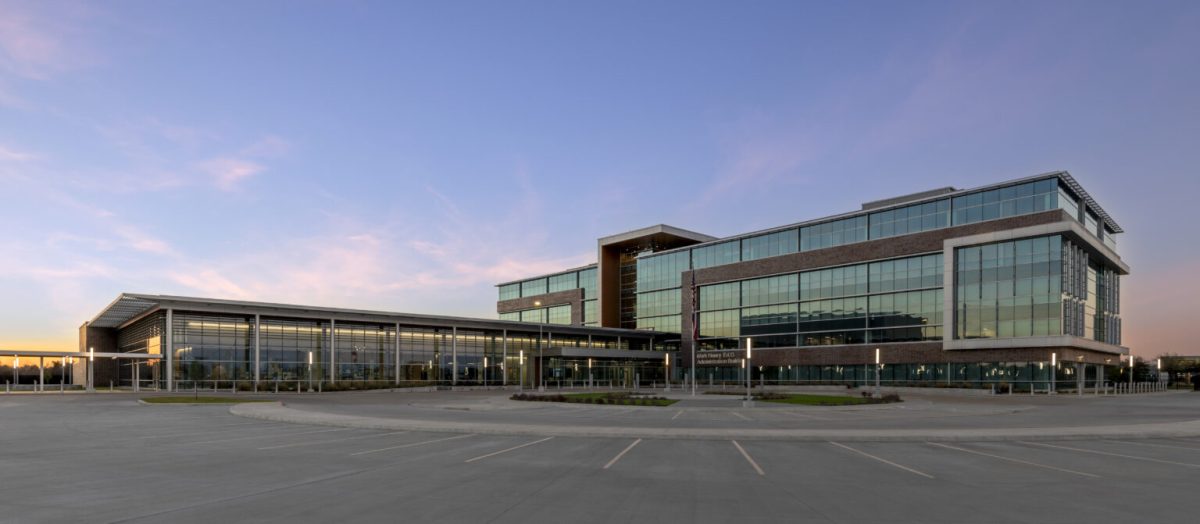

















Cypress-Fairbanks ISD announced this week that it will launch a new CFISD Virtual Pathways program for the 2026–27 school year, giving high school students the option to take part- or full-time classes online. The district says the program is meant to expand course offerings and provide more flexibility for students, but the announcement has already created a divide on campus.
Many students say they appreciate the expanded academic opportunities. For years, CFISD has not offered certain specialized AP and elective courses due to staffing and enrollment limits. Through the Virtual Pathways program, students will be able to enroll in classes such as AP European History, AP Art History, advanced world language courses and niche electives that previously were not available.
“I’ve wanted to take AP Euro since freshman year,” junior Ishana Vutukru said. “It just wasn’t offered anywhere in the district, so hearing that I can finally take it online is honestly exciting. I feel like the virtual pathway might actually give students more choice instead of being stuck with whatever the school can fit in the schedule.”
Other students echoed the enthusiasm, especially those balancing extracurricular commitments or transportation challenges.
“For people who work jobs or do activities outside of school, having one or two online classes could make scheduling way easier,” senior Hallel Spencer said. “It feels like the district is finally adapting to what modern students actually need.”
But not everyone is celebrating. Some students worry the shift toward online learning repeats the social consequences of the COVID-19 shutdowns. They argue that reducing in-person classroom time could harm communication skills, friendships and overall school culture.
“I get why the district wants to offer more classes, but it also scares me,” junior Mary Hearn said. “During COVID, so many kids came back without social skills. People forgot how to talk to each other. I feel like doing more online classes could make that even worse.”
Others fear the Virtual Pathways program may widen gaps between students who thrive independently and those who rely on face-to-face instruction.
“Online learning just isn’t the same,” sophomore Simran Verma said. “Some of us learn better when we’re actually in the room with a teacher. I don’t want school to turn into everyone staring at screens again.”
Despite the mixed reactions, district officials emphasize that the Virtual Pathways program is optional and that traditional in-person classes will remain the core of CFISD high school education. The program is expected to launch with a limited list of online courses before expanding in later years.
For now, students seem split between excitement for new opportunities and concern about losing the human connections that define the high school experience.
As junior Mary Hearn put it: “I just hope this doesn’t make school feel less like school.”
For more information on the program, visit virtual.cfisd.net.