











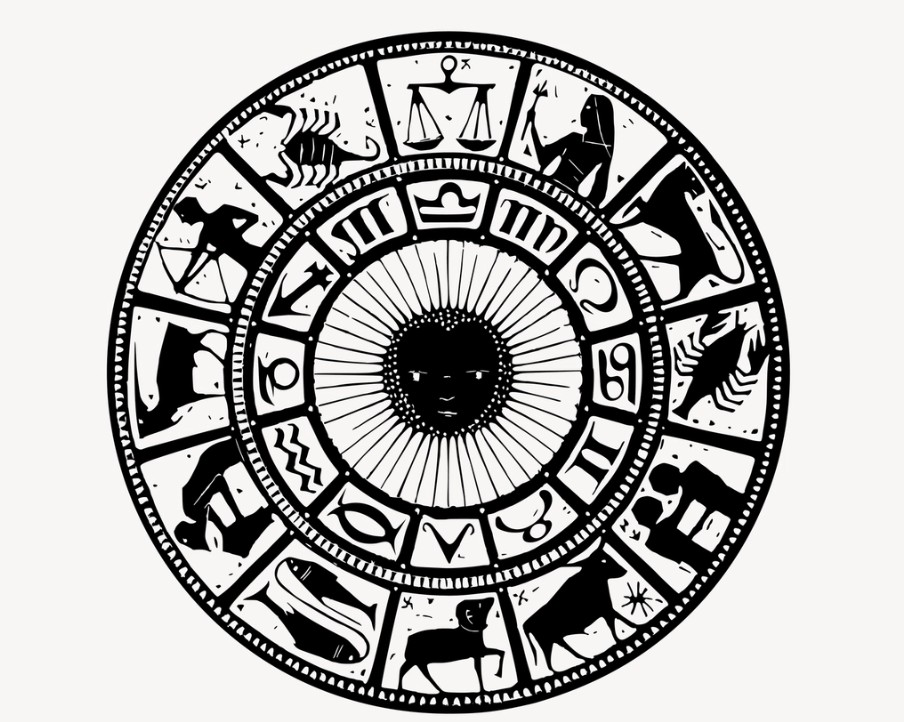












Astrology is the study of relations between celestial bodies like the sun, stars and moon and the events or traits on the earth. The most popular type of astrology is known to be the zodiac that can predict and interpret people based on their birth days.
Zodiac signs can show you compatibility, personality and how your day will go. These 12 signs are known as Aries, Taurus, Gemini, Cancer, Leo, Virgo, Libra, Scorpio, Sagittarius, Capricorn, Aquarius and Pisces. Each sign correlates to the birth date and the stars’ correlation. Zodiac comes from the Greek term zōidiakós, meaning “little animal sign.”
How did we come to zodiac signs?
Zodiac signs originated from ancient Mesopotamia (modern-day Iraq) around 500 BCE.
While priests tracked the stars for agricultural and divine intervention, after that, in 300 BCE, the ancient Greeks adopted the zodiac and renamed some of the signs and added myths like the Golden Ram and the Cretan Bull. Later on, around 100 BCE this was mixed with Egyptian decanic astrology to create horoscopic astrology, which is how we use astrology to this day.
Are horoscopes real?
One of the biggest questions about astrology is if it’s real. However, it all depends on your perspective. Scientifically, there is no evidence that your horoscope can be related to your day-to-day life. However, psychologically, people can subconsciously relate to their star signs. No matter what astrology still remains culturally significant with millions of people every day who use zodiacs as a form of spirituality. No matter if it is real or not we may never know the answer, but horoscopes continue to shape human beliefs and decision-making.
Astrology is used all over the world and is interpreted in many different cultures. One you may know is the Chinese zodiac based on a 12-year cycle where an animal is assigned to you based on the year you were born, being more focused on cycles and destinies rather than personality traits.
Did you know that astrology was used in medicine?
In ancient times, it was believed that the position of the stars and planets influenced human health and medicines were prescribed based on astrological charts. From 500 AD to 1600 many people in Europe used astrology to determine the best times for procedures, childbirth and even blood letting. Some believed that each zodiac controlled a different part of the body.
As modern medicine evolved, astrology has no longer became a part of it but has left an interesting historical mark.
From the 19th century to now, astrology has become more spiritual rather than scientific.
However, despite losing its importance and popularity, it is still something used worldwide in many different cultures and countries. While some people see astrology as entertaining and others see it spiritually, astrology remains one of the oldest ways of tradition connecting the stars and planets to our own well-being.