























On Feb. 28, 2026, tension between Israel, Iran and the U.S. started growing when Israel sent an airstrike to Iran that ended up killing Iran’s supreme leader Ali Khamenei and had a goal to disable nuclear capabilities. Because of this ongoing war and U.S. involvement, the Iranian government has decided to block the Strait of Hormuz.
What is the Strait of Hormuz?
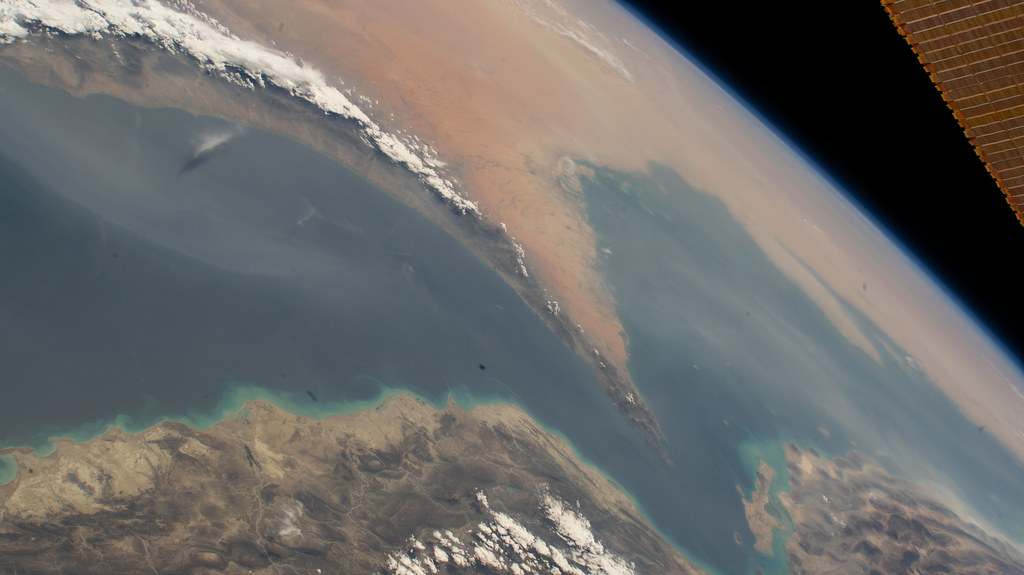
The Strait of Hormuz is a 21-mile strait between Iran and Oman, connecting the Persian Gulf to the Gulf of Oman and the Indian Ocean. Every day, ships come through the Strait of Hormuz for trading oil, food and other important shipments. The Strait of Hormuz is the primary shipment route for over 20 percent of the world’s oil and natural gas, which people use on a daily basis for electricity, transportation and many more day-to-day items we use.
How did the conflict begin?
Israel has long viewed Iran as an “existential threat” due to Iran’s leaders openly calling for Israel’s destruction and have built a “ring of fire” around Israel’s borders to carry out that goal. Since the 1960s, Israel and the U.S. have grown into close allies from early diplomatic recognition in 1948 due to a strategic Cold War partnership. Both countries have also grown close together in both economic and military aspects, meaning if Israel is involved in a war, so the U.S. will follow.
Impact of the War
As of mid-April 2026, Iran is responding to the U.S. by creating a blockade in the Strait of Hormuz, causing transportation of oil, industrial goods and liquefied natural gas to take a longer time shipping and will bring consumer prices up, meaning higher gas prices for the average American citizen. The national average gas price this week is $4.12, and over the past eight years, gas has averaged $3.06 per gallon, which is $1.05 a gallon more expensive than today. To put this in perspective, people who drive three to four days a week spend roughly $40-76 per week on gas, which equals about $160-304 on gas every month. Because of this blockade, gas is limited to us.
“I’ve recently noticed gas prices being more expensive than usual,” sophomore Simran Verma shared. “Gas is a necessity. It’s important for transportation.”
With the rise of the U.S. oil and gas prices skyrocketing, life for the average American will significantly get harder. Not only will gas and oil prices rise, but so will daily goods and necessities, and this can impact you and the people around you.
Will everything go back to normal?
Even if the Strait of Hormuz opens up again, the U.S. will be searching for new transportation routes. For the Strait of Hormuz, there is no going back to normal. Countries surrounding the area are looking for new shipping and trading routes that can bypass the strait. Nations are racing to secure oil and gas from elsewhere and as well turning to other resources like coal. Those strategies are more likely to change over time.
No matter what happens next, Iran will not forget how easy it can control the strait, meaning companies and countries must prepare for a different future.
Through these hard times, countries are making plans for their future and as well their companies. These plans are more likely to give an upperhand to oil and gas production, However, making these plans and alternatives will be expensive, as such things will take long periods of time and will raise prices for the average consumer.
Everything comes at a cost, but the most important response to this is to compensate.