















When Timothée Chalamet recently characterized ballet and opera as “lost arts” or “relics” in a widely circulated interview, he did more than just offer a casual opinion; he ignited a firestorm within the hallowed halls of performing arts conservatories. For the student body at institutions dedicated to these crafts, his words felt less like an observation of the market and more like an existential dismissal. However, as the dust settles, his comments serve as a vital catalyst for a conversation that the arts world has been avoiding for far too long.
The narrative that ballet and opera are trapped in a museum-like state of preservation is not a new one. To the uninitiated, these forms often appear as rigid, expensive and culturally distant. Chalamet, who has become the poster child for a new era of fluid, avant-garde masculinity and modern cinematic storytelling, represents the very demographic that these institutions are desperate to reach. When a figure of his influence suggests that the curtain is closing on these traditions, it carries the weight of a cultural verdict.
Yet, there is a profound irony in Chalamet’s critique. His own rise is built upon the efforts of the very classical training he now labels as antiquated. The emotional depth, the physical control, and the vocal resonance that define his performances in films like Dune or Wonka are products of a lineage that traces back to the very stages he questions. One does not achieve that level of technical precision without a deep, often grueling, apprenticeship in the “old ways.” Chalamet is, in many ways, the modern beneficiary of a classical education, wearing the aesthetic of the opera house even as he questions its survival.
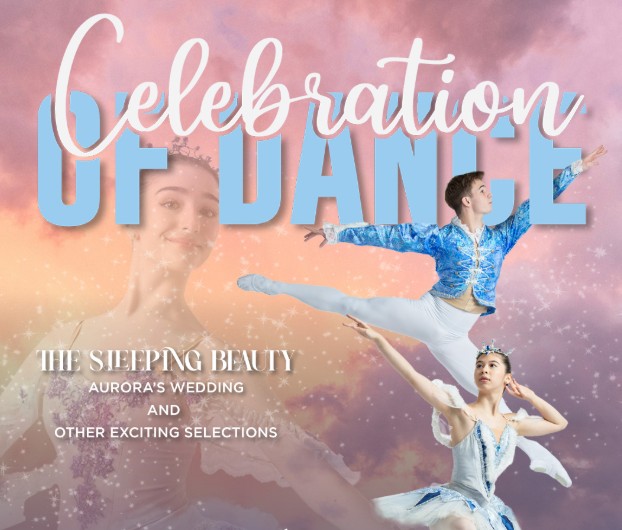
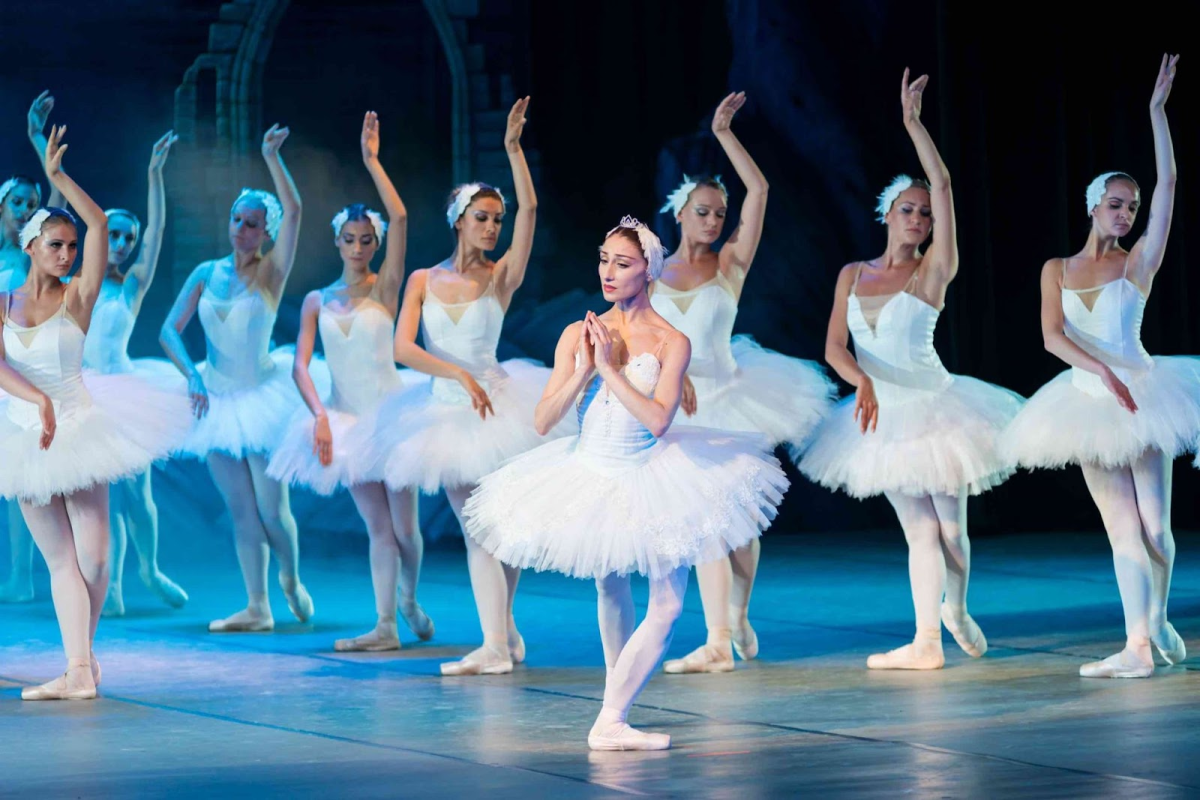
For the modern student of the arts, the response to this “Chalamet Take” is not one of offense but of redirection. If ballet and opera are “lost,” it is only because the industry has sometimes failed to articulate its evolution to the public. We are currently witnessing a renaissance of contemporary choreography and operatic themes that tackle modern isolation, digital identity and social justice. The discipline required to master these forms is not a dusty tradition; it is a radical act of resistance in an era defined by fractured attention spans and instant gratification.
Ultimately, the survival of these arts does not depend on their ability to become “pop” or to win the approval of Hollywood’s elite. Their value lies in their refusal to be simplified. While the digital age moves toward the ephemeral, the opera and the ballet remain anchored in the physical, the unamplified voice, the gravity-defying leap and the raw, shared breath of a live audience. Chalamet’s comments may have been intended as a requiem, but for those of us in the studio, they have become a manifesto. We are not preserving ashes; we are tending a fire that has always been and will always be the foundation of human expression.