
















Somehow, in 2025, we’ve convinced ourselves that buying more things is the same as having a personality.
Every few months, there’s a new it item. Last year, it was Stanley cups, not just one, but entire collections lined up like trophies on bedroom shelves. This year, it’s Labubu figures, Jellycats, Sonny Angels, limited-edition sneakers, aesthetic water bottles and whatever TikTok tells us is “essential” next. The cycle is fast, loud and relentless. And the worst part? Most of us don’t even stop to ask why we’re buying any of it.
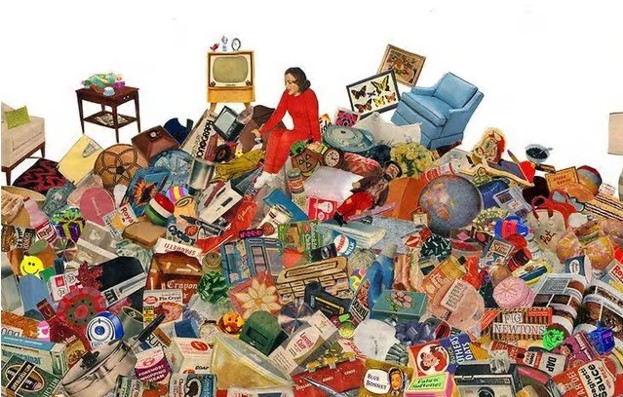
Overconsumption isn’t just about spending money. It’s about the mindset that says you need more to keep up, more products, more hauls and more versions of the same thing, just to feel relevant. Social media fuels it perfectly. A 30-second TikTok turns a plastic toy into a must-have collectible. Influencers show shelves overflowing with duplicates, calling it “self-care” or “rewarding yourself.” Suddenly, not owning it feels like missing out on culture itself.
Take Stanley cups. A water bottle, something meant to be reusable, somehow became a symbol of excess. People buy five, 10, sometimes more, all in different colors, defeating the entire purpose of sustainability. Or Labubu figures: cute, yes, but mass-produced collectibles marketed through artificial scarcity, pushing buyers to keep spending for the next drop. It’s capitalism disguised as community.
What’s especially frustrating is how normalized this behavior has become among students. We joke about being “broke” while dropping hundreds of dollars on trend items that will be irrelevant in six months. We talk about climate change in class, then turn around and participate in micro-trends that rely on fast manufacturing, plastic waste and overseas labor we never see. The contradiction is uncomfortable…and real.
This isn’t about shaming people for liking cute things. There’s nothing wrong with enjoying fashion, toys or collectibles. The problem is when buying replaces meaning. When shopping becomes a hobby, a coping mechanism or a way to measure self-worth, we stop asking whether we want something and only care whether it’s trending.
Overconsumption thrives on insecurity. It tells us that if we don’t own the right things, we’re behind. That our rooms, our outfits, even our water bottles need to be curated for the internet. But personality isn’t something you can unbox. Style isn’t defined by what’s viral. And no amount of limited-edition merch will make us feel fulfilled if we’re constantly chasing the next thing.
In 2025, maybe the real rebellion isn’t buying the newest trend, it’s opting out. It’s choosing intention over impulse. It’s asking, “Do I actually want this, or do I just want to be seen wanting it?”
Because the most valuable thing we have right now isn’t another collectible: it’s self-awareness.